Beyond the Trend Cycle: How American Muslim Women Are Redefining Modest Wear on Their Own Terms

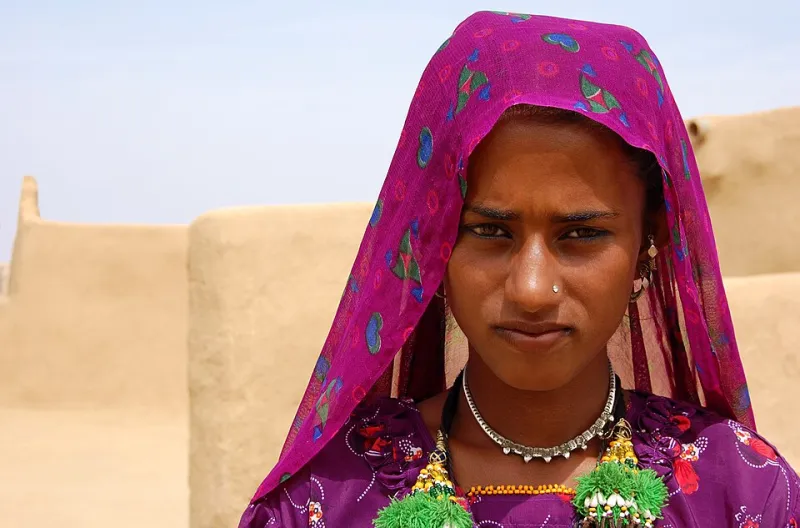
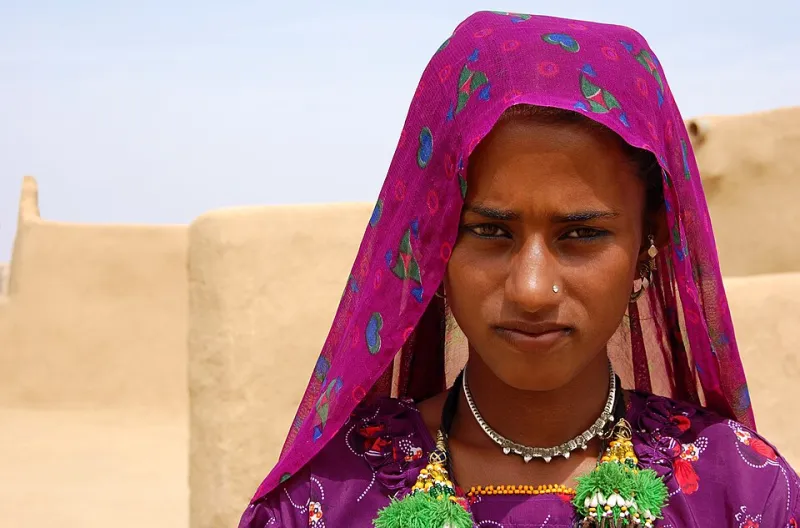
Photo by Photo by Muhammad Ruqi Yaddin on Unsplash on Unsplash
For years, the modest fashion conversation in the United States has been dominated by aesthetics—color palettes, silhouettes, seasonal collections, and the ever-shifting language of trends. Yet something quieter and arguably more significant is happening among Muslim women across the country. They are increasingly asking a different set of questions before purchasing a jilbaab: not simply Does this look beautiful? but Will this work for my life?
This is the comfort conversation, and it is reshaping the modest fashion industry from the inside out.
A Lifestyle, Not a Look
The American Muslim woman's day rarely fits neatly into a single context. She may begin the morning with the school drop-off, move into a professional meeting by mid-morning, squeeze in a workout during lunch, and return home in time for dinner preparation—all while maintaining the modesty standards her faith and personal values require. A garment that performs well in one of those settings but fails in the others is, practically speaking, a garment that doesn't work.
"I stopped buying jilbaabs based on how they photographed," says Nadia, a customer from the Chicago suburbs who has been shopping modest fashion for over a decade. "I started asking whether I could raise my arms without the fabric pulling, whether the hem would drag when I walked fast, whether I'd overheat in July. Those things matter more than whether it's on trend."
This sentiment echoes across customer feedback that Jilbaab Store has gathered over recent seasons. Shoppers consistently rank fit, breathability, and ease of movement among their highest priorities—often above color selection or decorative detail.
What Wearability Actually Means
The term "wearable" gets used loosely in fashion, but modest wear designers who work closely with American Muslim communities have developed a more precise vocabulary around it.
Dr. Amara Hussain, a dermatologist based in Houston who also consults with modest fashion brands on fabric selection, points to skin health as an underappreciated dimension of the conversation. "Fabrics that trap heat and moisture against the skin don't just cause discomfort—they can contribute to conditions like folliculitis, contact dermatitis, and heat rash," she explains. "For women who wear full-coverage garments throughout the day, the choice of textile is genuinely a health consideration, not just a comfort preference."
Her recommendations align closely with what customers are already gravitating toward: natural fiber blends, moisture-wicking constructions, and looser weaves that allow air circulation without sacrificing opacity. Linen-cotton blends have seen a notable rise in popularity among Jilbaab Store shoppers during warmer months, while brushed jersey and interlock knits have become cold-weather staples for their warmth-to-weight ratio.
But breathability is only one dimension of functional modest wear. Pockets—long a contentious subject in women's fashion broadly—have emerged as a genuine differentiator in the modest wear market. Customers who rely on their jilbaab as an outer layer throughout the day increasingly expect functional, deep-set pockets that can hold a phone, keys, or a small wallet. The absence of this feature, several shoppers noted, is enough to disqualify an otherwise appealing garment.
Designers Who Are Listening
Modest fashion designers working in the American market have taken note of this shift, and many are restructuring their creative process to lead with function rather than finish it.
Layla Osman, a Brooklyn-based designer whose modest wear line caters specifically to professional Muslim women on the East Coast, describes a change in how she approaches each collection. "I used to sketch the silhouette first and then think about fabric and construction," she says. "Now I start with the movement study. I ask: what does this woman need to be able to do? Can she sit in a car for forty minutes without the garment bunching? Can she perform wudu without wrestling with her sleeves? If the answer to those questions isn't yes, the design isn't finished."
Osman also notes that layering has become central to her design philosophy. American Muslim women living in regions with dramatic seasonal temperature swings—the Midwest, the Northeast, the Mountain West—need modest wear that functions as part of a layering system rather than a standalone statement piece. A jilbaab that pairs seamlessly with a lightweight base layer in winter and stands alone in summer is, in her view, twice the garment.
The Quiet Rejection of Fast Modest Fashion
Underpinning the comfort conversation is a broader cultural shift that modest fashion shares with the wider American apparel market: a growing wariness of fast fashion and its disposability. Muslim women who have invested in well-constructed, properly fitted jilbaabs report wearing them significantly longer than trend-driven pieces purchased in haste.
This has practical financial implications. A jilbaab that costs more upfront but is worn three hundred times over three years represents far better value than an inexpensive piece that disappoints after a season. Customers who have made this calculation tend to become more discerning shoppers—asking detailed questions about fabric composition, care instructions, and construction quality before committing to a purchase.
Jilbaab Store has observed this pattern in customer purchasing behavior. Repeat buyers increasingly return for specific attributes rather than browsing broadly: they want the exact cut that accommodated their body shape, the precise fabric weight that suited their climate, the particular sleeve construction that allowed them to drive comfortably. Style still matters—it always will—but it operates as a secondary filter rather than the primary one.
Style and Substance, Together
It would be a misreading of this trend to suggest that American Muslim women are abandoning aesthetic ambition. They are not. The desire for garments that are beautiful, distinctive, and expressive of personal identity remains entirely intact. What has changed is the sequence of evaluation.
A jilbaab that is comfortable, functional, and well-constructed earns the right to be considered on aesthetic terms. One that fails the functional test rarely gets that far, regardless of how striking it appears on a hanger or a screen.
This is, in many respects, a mature and confident relationship with clothing—one that treats a garment as a tool for living rather than a symbol of aspiration. For a community that has long navigated the tension between visibility and belonging in American public life, there is something quietly powerful about insisting that modest wear simply work.
The comfort conversation, it turns out, is also a conversation about dignity—about the right to move through the world without restriction, in garments that honor both faith and function. That is a standard worth setting, and one that the best of modest fashion is increasingly meeting.