Dressed in Intention: A Practical Guide to Choosing Jilbaab Colors That Work for Your Life
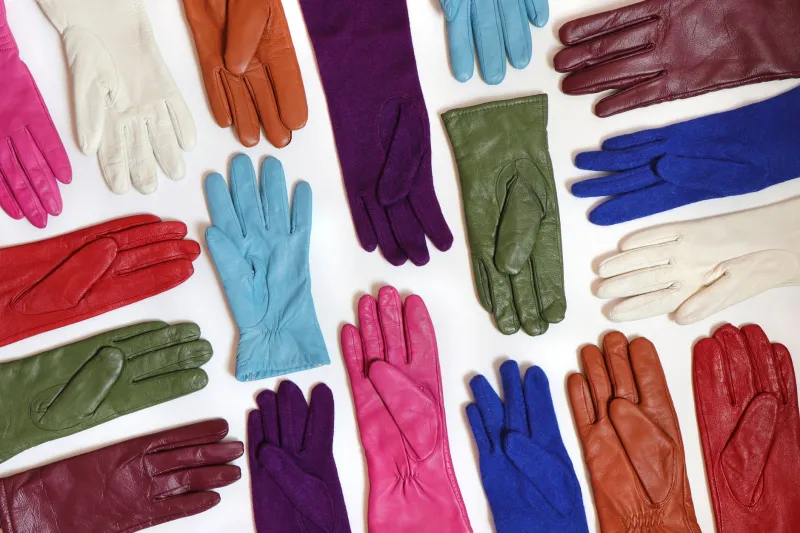
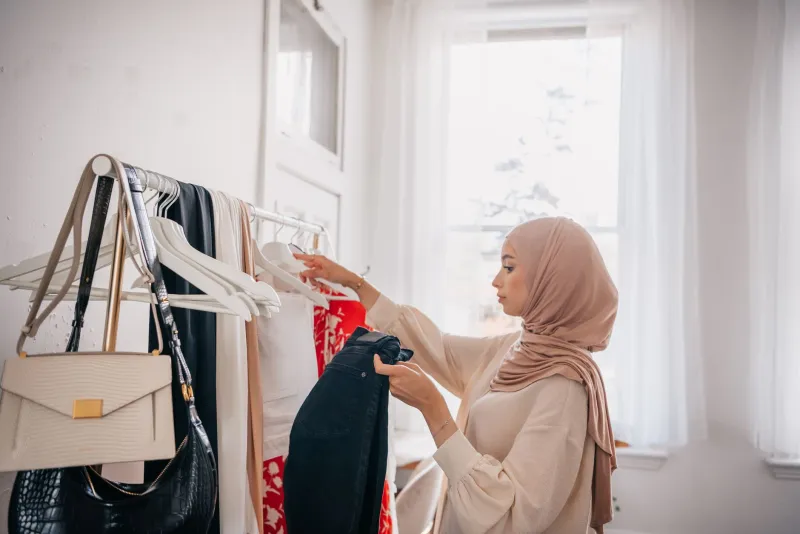
Walk into any well-curated modest fashion wardrobe and you will notice something immediately: the colors are not random. They are chosen. The deep forest green reserved for important meetings. The warm ivory worn on quiet Fridays at home. The rich cobalt that appears on days when confidence needs a visible anchor. Whether the woman who owns these garments has formally studied color theory or simply developed an intuitive relationship with her wardrobe over years, she understands something fundamental—that color is a language, and she is fluent in it.
For American Muslim women who wear the jilbaab, color selection carries particular weight. Because the silhouette of modest dress is often consistent—full-length, flowing, intentionally understated in form—color becomes one of the primary tools for self-expression, emotional regulation, and contextual communication. Choosing the right hue is not a superficial concern. It is a form of dressing with purpose.
The Science Behind the Choice
Color psychology, the study of how different hues influence human perception and emotional states, has been a recognized field of inquiry for decades. Its applications in interior design, branding, and retail are well documented. In personal dressing, however, the relationship between color and mood is more nuanced—and more personal.
Research consistently suggests that certain color families tend to produce predictable psychological effects across broad populations. Cool blues and soft greens are frequently associated with calm, clarity, and reduced anxiety. Warm reds and deep oranges are linked to energy, assertiveness, and heightened presence. Yellows and bright corals tend to elevate mood and signal approachability. Neutrals—ivory, taupe, charcoal—communicate professionalism, restraint, and reliability.
But individual associations matter just as much as universal ones. A woman who grew up wearing deep plum to Eid celebrations will carry a different emotional relationship with that color than someone who first encountered it in a boardroom. Building a jilbaab wardrobe around color psychology means accounting for both dimensions: what colors do broadly, and what they do specifically for you.
Building Confidence Through Jewel Tones
For high-stakes days—job interviews, client presentations, public speaking engagements, or any occasion where confidence must be worn as visibly as it is felt—jewel tones are a reliable ally. Emerald, sapphire, amethyst, deep ruby: these colors carry an inherent sense of richness and authority that translates powerfully in professional American contexts.
A jilbaab in emerald green, for instance, reads as composed and assured without being aggressive. It draws the eye without demanding attention. In a room full of muted corporate neutrals, it marks the wearer as someone who has made a deliberate choice—and deliberateness, in professional settings, is a form of confidence in itself.
Deep navy operates similarly. It carries the authority of a classic navy suit while remaining distinctly feminine and modest. Many American Muslim women find that a well-cut jilbaab in navy blue functions as their most versatile power piece—appropriate for courtrooms, conference rooms, and campus lectures alike.
For women who find jewel tones overwhelming or who prefer a softer approach to authority dressing, dusty rose, sage green, and muted teal offer a middle path: colors with enough richness to communicate intention, but enough softness to remain approachable.
Neutrals as a Foundation—and a Philosophy
There is a reason that neutrals anchor most thoughtful modest wardrobes. Ivory, camel, warm gray, and soft black are not simply safe choices—they are versatile foundations that allow other elements of a look to speak more clearly. When the color of a jilbaab recedes, the quality of its fabric, the precision of its cut, and the confidence of its wearer become more visible.
For days of reflection, spiritual observance, or simply the desire to move through the world with less visual noise, neutrals offer something that bolder colors cannot: a sense of quiet. A cream or ivory jilbaab worn on a Friday morning communicates a kind of intentional simplicity that many women find genuinely calming.
Neutrals also photograph beautifully and age gracefully—both qualities that matter when investing in quality pieces meant to last years rather than seasons. In the context of a modest wardrobe built for longevity, neutral jilbaabs are not background pieces. They are the architecture.
Seasonal Color Trends Adapted for Modest Wear
The American fashion industry releases seasonal color forecasts that, while not mandatory, offer useful guidance for women who want their wardrobes to feel current without chasing trends. For modest fashion specifically, these forecasts require thoughtful adaptation—not every trending hue translates naturally to a full-length silhouette.
For autumn and winter dressing, the current cycle favors deep burgundy, warm terracotta, and rich chocolate brown—all of which translate exceptionally well to jilbaab styling. These colors work with the heavier fabrics of the colder months (wool crepe, ponte, brushed jersey) and complement the layered approach that modest winter dressing often requires.
Spring and summer trends tend toward softer, more saturated palettes: butter yellow, dusty lavender, soft coral, and sky blue. These work beautifully in lightweight fabrics—linen, cotton voile, and chiffon—and are particularly suited to outdoor occasions, community gatherings, and the longer days that invite more visual openness.
The key to incorporating seasonal color trends into a modest wardrobe is selectivity. Rather than rebuilding an entire wardrobe around each season's forecast, consider adding one or two pieces in a trending hue that genuinely resonates with your personal color language. A single jilbaab in the season's standout color, worn with your existing neutral foundation, is sufficient to feel current without sacrificing coherence.
Creating a Personal Color System
The most effective approach to color selection in modest fashion is ultimately systematic rather than impulsive. A personal color system—a deliberate mapping of specific hues to specific contexts, moods, and intentions—transforms daily dressing from a decision into a practice.
Consider organizing your jilbaab wardrobe into three categories: power colors (the jewel tones and rich hues you reach for when you need to project confidence), comfort colors (the soft neutrals and gentle pastels that support ease and reflection), and transition colors (the mid-range shades that move fluidly between contexts). With even a modest collection of pieces distributed across these three categories, getting dressed each morning becomes less about choosing what to wear and more about choosing who you want to be that day.
That, at its core, is what color psychology in modest fashion offers: not a formula, but a framework. A way of dressing that is as intentional as the values it reflects.