Starting Somewhere: A Gentle Guide to Choosing a First Jilbaab at Your Own Pace
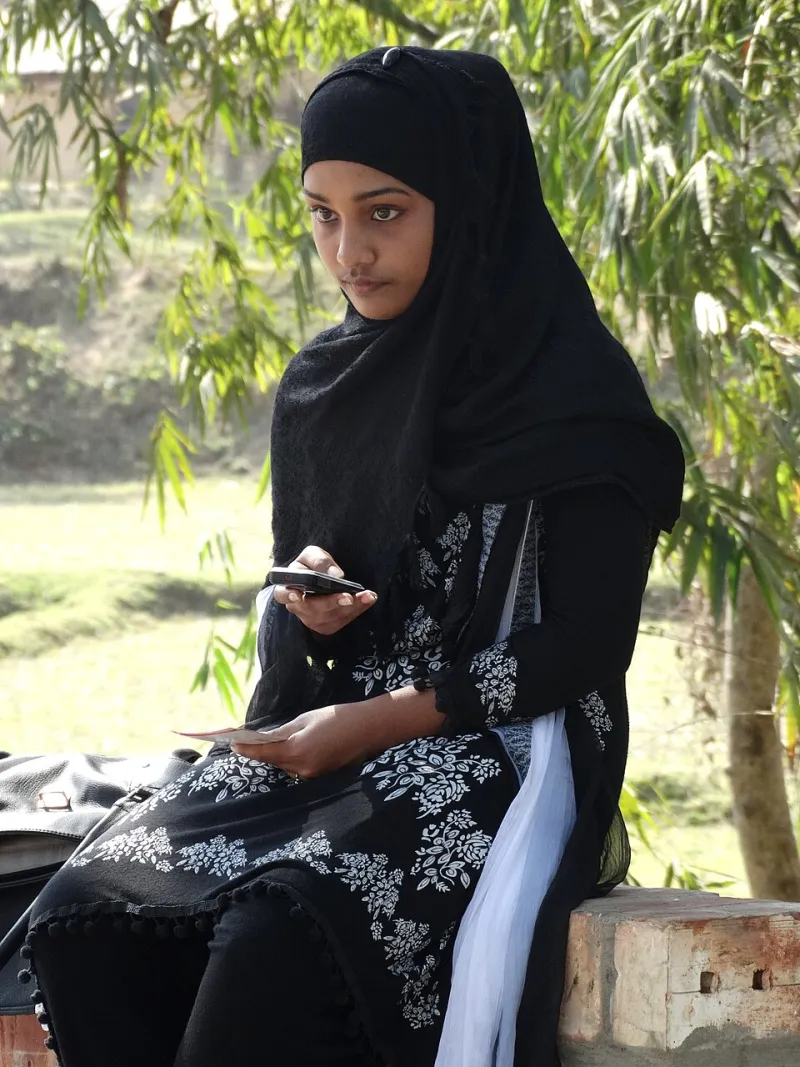
Photo: Adam Jones from Kelowna, BC, Canada, CC BY-SA 2.0, via Wikimedia Commons
Some women arrive at the jilbaab through a slow accumulation of conviction; others through one unremarkable morning when the decision settles quietly and stays. Both paths are ordinary. What is less ordinary is the pressure that surrounds the first purchase — the sense that a single garment must announce an entire identity, fit perfectly on the first attempt, and satisfy every relative who has an opinion about it.
It does not have to. A first jilbaab is a beginning, and beginnings are permitted to be imperfect. What follows is a practical guide for the woman still finding her pace, written for an American context in which modest clothing is increasingly available, unevenly stocked, and frequently misunderstood.
There is no deadline
New Muslims are sometimes handed a timeline by people around them, and women returning to practice after years away often construct a stricter one for themselves. The garment is not a credential. Wear it when wearing it feels like a decision rather than a performance, and let the first one be simple enough that you are not afraid to wear it to the grocery store.
What a jilbaab is, and what it is not
In the American market the word covers a spectrum: a one-piece pullover gown, a two-piece set of overhead dress and matching scarf, a front-opening coat worn over everyday clothes. Regional traditions — the Gulf abaya, the North African djellaba, the layered South Asian styles — all coexist in the same mosque parking lot, and no single silhouette carries more authority than another.
What a jilbaab is not is a uniform. It does not require a particular color, a particular price point, or a change in personality.
Fit: the measurements that matter
Three numbers do most of the work. Total length from shoulder to hem should account for the life you actually live: stairs, car pedals, snowbanks, and the hem of your winter coat. Sleeve length should reach the wrist without dragging through dishwater. The head opening deserves more attention than it usually receives; too snug causes headaches and constant slippage, too loose requires adjustment all day.
Shoulder width and overall ease determine whether the garment drapes or clings. The most reliable method is to measure a garment you already like and shop with those numbers instead of a size label, since sizing varies considerably between brands and between countries of manufacture.
Fabric before color
Opacity is the first test, and daylight is the honest judge. Hold the fabric against a window, particularly at the shoulder where the weave is stressed. Midweight crepe, cotton blends, and heavier jersey forgive far more than tissue-weight chiffon. Then consider climate: humid Southern summers reward breathability, while northern winters reward a weight that layers over a sweater without adding bulk at the shoulder.
A starter wardrobe of three, not thirteen
One dark neutral in a fabric that survives weekly wear. One lighter weight and lighter tone for warm months. One better piece for Eid, weddings, and the evenings that ask for composure. That is enough to begin. Resist the urge to rebuild an entire wardrobe before you have learned how you actually like to dress; the jilbaabs purchased in the first month are often the ones later passed along.
Buying online, buying in person
Online shopping has widened access for women in towns without a modest-wear shop, but it requires a little diligence. Read the return policy before the product description, request a fabric swatch when a brand offers one, and look for reviews that mention opacity and length on real bodies rather than on models. In person, independent shops in most metropolitan areas now carry jilbaabs, and Islamic conventions and bazaars remain among the few places where dozens of cuts can be tried in an afternoon.
Try it on for an hour at home
Before removing tags, wear the garment for an hour. Sit down. Climb a flight of stairs. Reach for a high shelf. Get into a car and fasten the seatbelt. Carry a laundry basket. Sleeves that ride up, a hem that catches underfoot, and a neckline that will not stay put are all problems better discovered in your own hallway than at a family gathering.
The people around you
Family reactions range from warm encouragement to quiet worry, and both are usually about you rather than the fabric. You are not obligated to debate anyone, and a single sentence repeated calmly tends to accomplish more than a lengthy defense. At work, federal law requires employers to accommodate religious dress absent undue hardship, and most questions dissolve in a private conversation with a manager. A small mirror in a desk drawer helps more than expected on the days you feel conspicuous.
Community, without the noise
Advice online arrives in floods, much of it contradictory and some of it unkind. Choose two or three women whose practice you respect and whose manner you find generous, and let the rest of the internet be the rest of the internet. Local mosque communities, study circles, and modest-wear shops remain the most reliable sources of honest guidance about what fits and what lasts.
Money and the pressure to buy
The modest fashion market is now large enough to sell you a new identity every season. A first jilbaab does not need to be expensive; it needs to be opaque, well-sewn at the seams, and comfortable enough that you reach for it without negotiating with yourself. Set a budget before you browse, and remember that three good pieces will outperform ten impulsive ones.
Confidence is a practice
No garment delivers confidence on the first wearing. It accumulates through ordinary repetitions — the school run, the office, the Thursday evening class — until the jilbaab becomes simply what you wear rather than something you are braced for. Begin where you are, with what you have, at the pace that holds.