Silk, Structure, and Subtlety: Building a Modest Formal Look That Meets the Dress Code
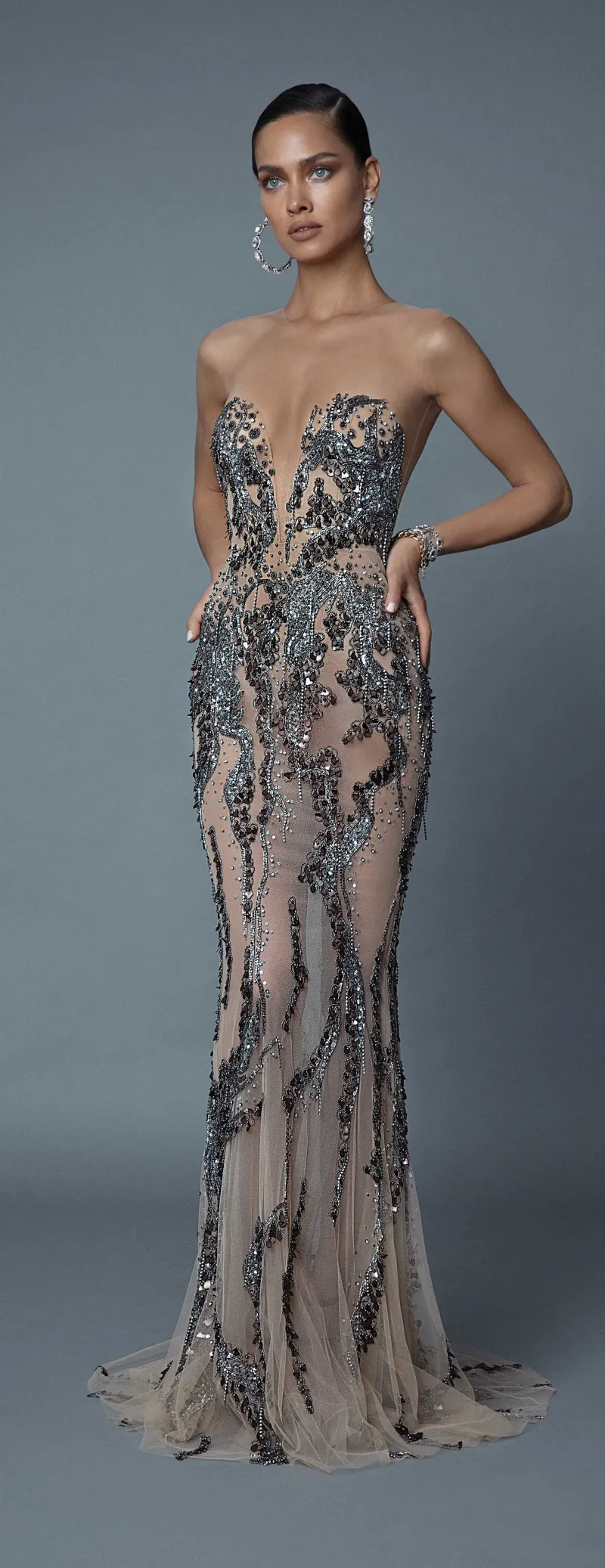
Photo: elegant modest formal fashion Muslim woman evening jilbaab silk fabric, via i.pinimg.com
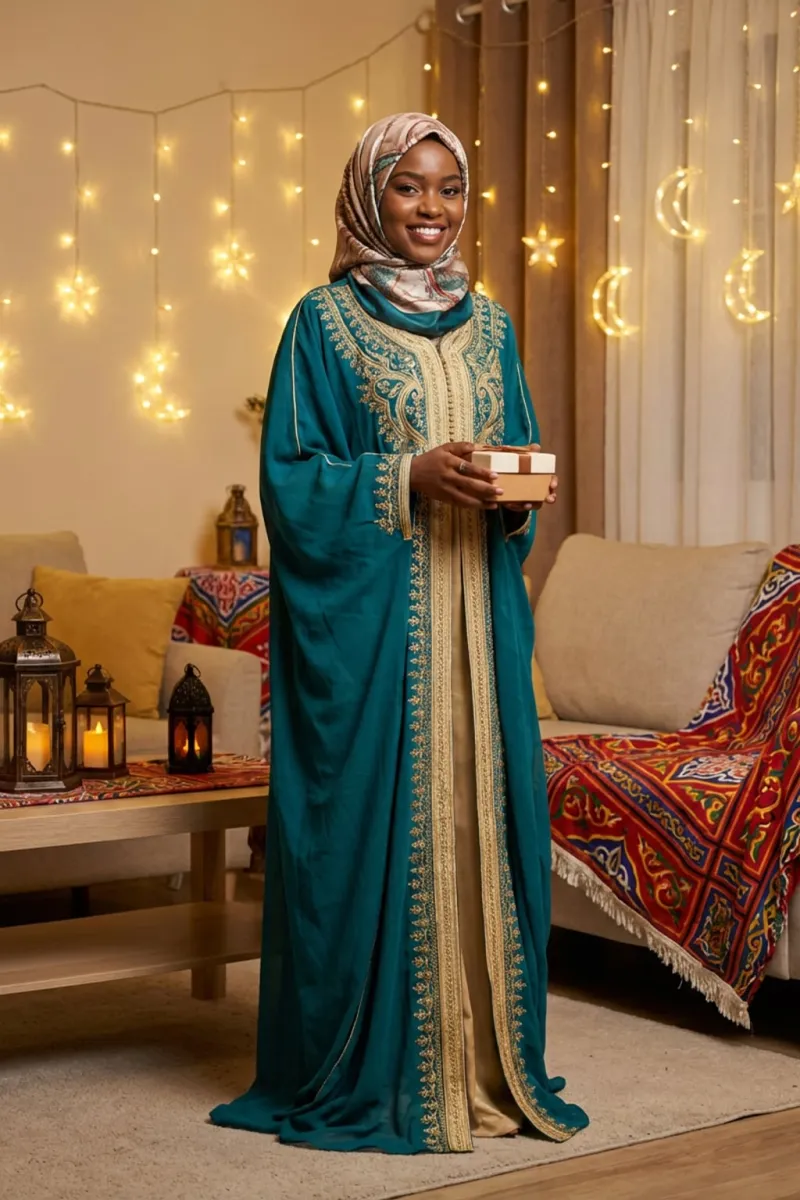
Formal dressing has a reputation for being rigid, but in practice it is a vocabulary. An invitation uses a few familiar phrases to set expectations for fabric, length, and polish. The modest reader does not need to abandon that vocabulary. She needs to translate it. A jilbaab, a well-cut over-layer, and a deliberate approach to accessories can meet the most formal American rooms without apology.
Dress Codes Are a Language, Not a Verdict
Black tie remains the most formal of the common American invitations. It generally calls for floor-length evening wear, elevated fabrics, and restrained ornament. For modest dress, this is an opportunity rather than an obstacle. A floor-length jilbaab in silk crepe, wool crepe, or duchess satin carries the necessary weight. Look for a column silhouette with clean shoulders and a hem that skims the shoe. A structured overlay or a finely tailored coat can add ceremony without adding bulk.
Cocktail attire is less prescriptive. In most US cities it means a polished dress or suit, often knee-length or midi. A modest interpretation might be a midi-length jilbaab over slim trousers, or a fluid crepe jilbaab with a defined waist and a modest heel. Semi-formal is more forgiving still: a well-pressed jilbaab in a matte fabric, a refined flat or kitten heel, and one considered accessory will read as intentional. Garden party or daytime formal invites lighter fabrics, quiet prints, and practical shoes, especially in warmer states where outdoor ceremonies may involve lawns and gravel.
Choose Fabric Before Ornament
A formal look succeeds or fails at the fabric stage. Silk crepe drapes without clinging. Wool crepe holds a line and resists wrinkles during long evenings. Duchess satin has the necessary luster for black tie, but it should be used with restraint; a full satin jilbaab can overwhelm the wearer and catch every light in the room. Velvet is an excellent choice for cool-weather galas, particularly in deep navy, burgundy, or forest green. Chiffon can work as an overlay, but it needs a substantial lining so that the garment moves with dignity rather than against it.
Avoid fabrics that shine too aggressively under hotel lighting. A soft matte surface often reads as more expensive than a high-gloss one. If the event is in a warm climate, choose breathable lining and avoid heavy interfacing at the shoulders. If it is a winter fundraiser in the Midwest or Northeast, a wool or wool-blend jilbaab with a modest evening coat will be more comfortable than a delicate fabric layered with a pashmina.
Accessories That Carry the Room
Formal accessories should be few and deliberate. A structured evening bag, a pair of polished earrings, a fine bracelet, and a well-chosen shoe are often enough. Hijab pins should be secure but discreet; a decorative pin can serve as the single point of ornament if the jilbaab is otherwise plain. Metallic finishes work well for evening, but they should be repeated only once or twice. A silver clutch and silver earrings are sufficient. Adding a silver belt, silver shoes, and a silver headpiece begins to look like a costume.
Shoes deserve special attention. Many American formal events involve standing, walking across hotel lobbies, and navigating stairs. A modest block heel or a refined pointed flat is often more practical than a stiletto. If the invitation says black tie, a satin or velvet shoe in a dark neutral will meet the room. For garden parties, a leather sandal or a low wedge is appropriate and far kinder to outdoor surfaces.
Real Rooms, Real Translations
At a black-tie-optional wedding in Chicago, a navy silk crepe jilbaab with a silver clutch and low heels reads as fully formal while remaining comfortable through a long reception. At a Washington, DC, gala, a column-shaped velvet jilbaab in deep green, paired with a small structured bag and pearl studs, meets the room without mimicking a gown. At a Houston fundraiser, a lighter crepe jilbaab with an embroidered overlay can acknowledge the evening without becoming heavy in the heat. The common thread is not a particular garment but a particular discipline: fabric, silhouette, and restraint.
Tailoring and Movement
Formalwear must move well. A jilbaab that is too long will catch underfoot; one that is too narrow through the sleeve will restrict the arms during dinner. Before the event, test the garment while sitting, standing, and walking up a flight of stairs. Check that the hijab can be adjusted without undoing the entire style. If the jilbaab has hidden closures, practice them at home. A small alteration—shortening the hem by an inch, narrowing the sleeve, or adding a hidden snap—often does more for the overall impression than an elaborate accessory.
A Practical Pre-Event Checklist
Read the invitation twice and note the dress code exactly. Confirm the venue and the weather. Choose the jilbaab first, then the shoes, then the bag. Test the full look in daylight and in artificial light. Pack spare hijab pins, a small sewing kit, and a stain remover pen. Bring a lightweight wrap for overly air-conditioned ballrooms. If the event includes a seated dinner, sit in the garment before the day arrives. Formal dressing is not about enduring the evening; it is about entering it with composure.
The invitation may say black tie, but the modest wardrobe has its own quiet grammar. When fabric, fit, and finish are chosen with care, the result is not a workaround. It is a complete formal look, fully at home in the American room.