What Muslim Women Actually Need From Modest Fashion—And Why American Retail Keeps Getting It Wrong

Photo by Photo by Vitaly Gariev on Unsplash on Unsplash
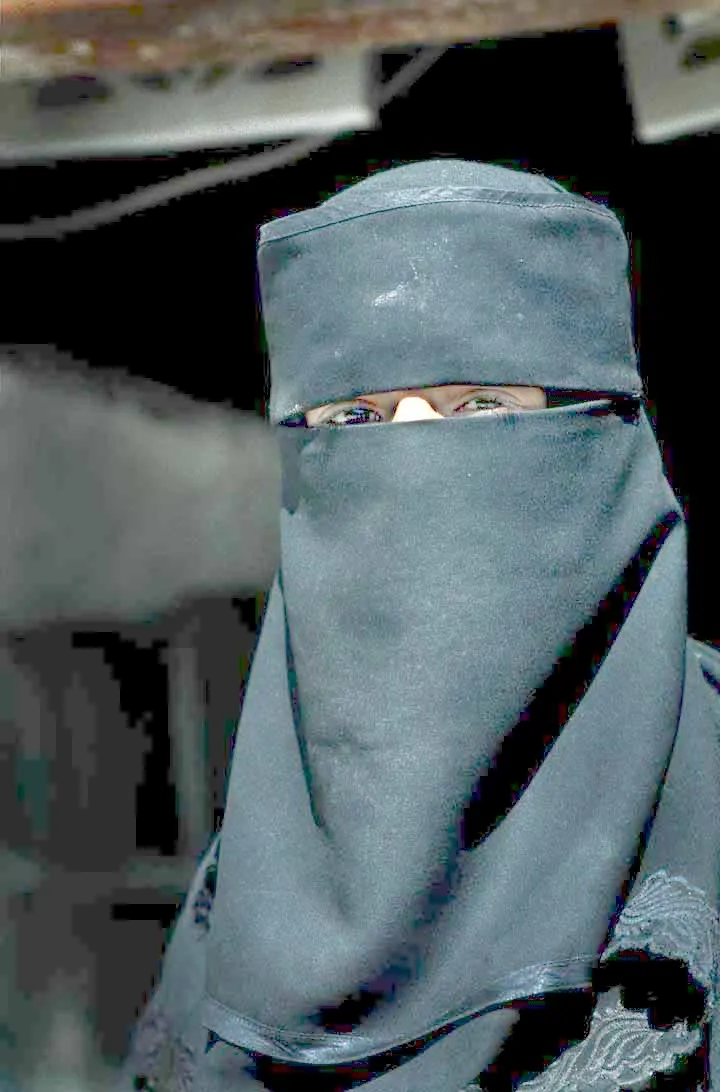
The modest fashion industry is, by most estimates, a multi-billion-dollar global market. Analysts have projected its value into the hundreds of billions. Mainstream American retailers have taken notice—launching dedicated modest collections, featuring hijab-wearing models in campaigns, and issuing press releases celebrating inclusivity. And yet, if you spend any time listening to Muslim women who actually shop for jilbaabs and modest wear in the United States, a different story emerges: one of chronic disappointment, creative workarounds, and the exhausting labor of finding garments that genuinely serve their lives.
The gap between what is marketed and what is delivered is not a small one. It is structural.
The Inventory Problem No One Wants to Name
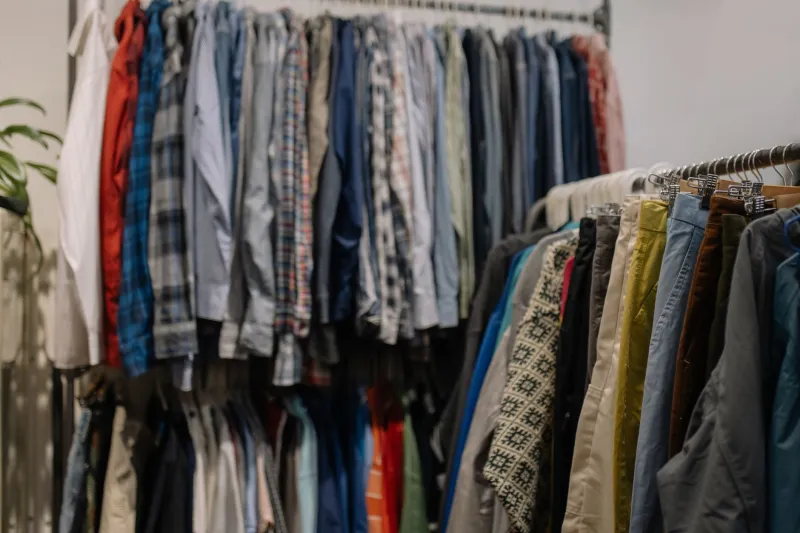
Walk through the modest wear sections of most American retailers—whether online or in physical stores—and a pattern becomes apparent almost immediately. The selection tends to cluster around a narrow aesthetic: neutral tones, loose silhouettes that sacrifice shape entirely, and fabrics that feel more like an afterthought than a design choice. What is largely absent is the range that Muslim women in America are actually asking for.
Professional jilbaabs that can transition from a morning meeting to an evening school pickup. Fabrics that breathe in the humid summers of Houston or Atlanta. Cuts that accommodate the physical reality of a full day of movement without requiring constant readjustment. These are not exotic requests. They are the baseline demands of any functional wardrobe—and modest fashion, as it exists in much of American retail, frequently fails to meet them.
The problem is compounded by inventory depth. Even when a retailer does carry a jilbaab that approaches what a customer needs, the size range is often limited, the restock timeline is unpredictable, and the color options are minimal. Muslim women in America represent a diverse population—in body type, in profession, in regional climate, in cultural background—and the market's current offerings reflect very little of that diversity.
Sizing as a Form of Exclusion
Sizing inconsistencies in modest fashion are a particular source of frustration. Unlike conventional women's clothing, where sizing standards are imperfect but at least somewhat familiar, jilbaab sizing often operates on an entirely separate logic—one that varies dramatically from brand to brand, and sometimes from garment to garment within the same brand.
A woman who wears a medium in one modest fashion label may find that the same designation runs three sizes smaller in another. Length, which is often the most critical measurement for a jilbaab that must meet specific coverage requirements, is rarely standardized. Petite and tall options are an afterthought at best and nonexistent at worst. For taller Muslim women in particular, the search for a jilbaab with appropriate ankle-length coverage can feel like a full-time occupation.
This is not merely an inconvenience. For women whose religious practice requires specific standards of coverage, a garment that falls short—literally—is not a wearable garment. It is a returned package and a renewed search.
The Pocket Question
Few features reveal the gap between designer assumptions and user reality more clearly than pockets. The absence of functional pockets in women's clothing has been a long-running frustration across the fashion industry, but in modest wear, the stakes are particularly high.
A jilbaab is, by design, a complete outer garment. It is meant to be worn throughout the day, often without a jacket or bag that might otherwise compensate for a lack of storage. For a woman navigating a workday, managing children, commuting on public transit, or simply existing in the world, the ability to keep a phone, keys, or transit card accessible is not a luxury. It is a practical necessity.
And yet, the majority of jilbaabs available in the American market either lack pockets entirely or feature pockets so shallow as to be decorative. The phone accessibility issue is particularly acute. As mobile devices have become central to daily life—for navigation, communication, payment, and prayer time reminders—the need for a garment that accommodates a smartphone without requiring a separate bag has become urgent. Brands have been slow to respond.
Professional Versatility: The Missing Middle
Perhaps the most significant gap in the current modest fashion market is the absence of what might be called the professional middle ground. On one end of the spectrum, retailers offer highly formal, often heavily embellished jilbaabs suited for weddings and special occasions. On the other, they stock casual, relaxed styles appropriate for weekends and home. What is largely missing is the range that serves the majority of a working Muslim woman's week.
A jilbaab worn to a corporate presentation must project authority. It must be wrinkle-resistant enough to survive a commute. It must photograph well in video calls. It must not require constant attention during a long meeting. These are the criteria that professional Muslim women are applying when they shop—and they are criteria that most of the available inventory simply does not meet.
The result is a workaround economy. Women layer, they alter, they source from international suppliers, they sew their own garments. They spend more time and money than they should to achieve what should be a straightforward wardrobe goal. This ingenuity is admirable. It is also evidence of a market failure.
What the Market Is Missing
The disconnect between retail offerings and actual consumer need is not, at its core, a mystery. It stems from a fundamental failure of research. Many brands that have entered the modest fashion space have done so with assumptions rather than investigation—assuming that modest wear is a niche category with uniform needs, rather than a broad and varied market with sophisticated, specific demands.
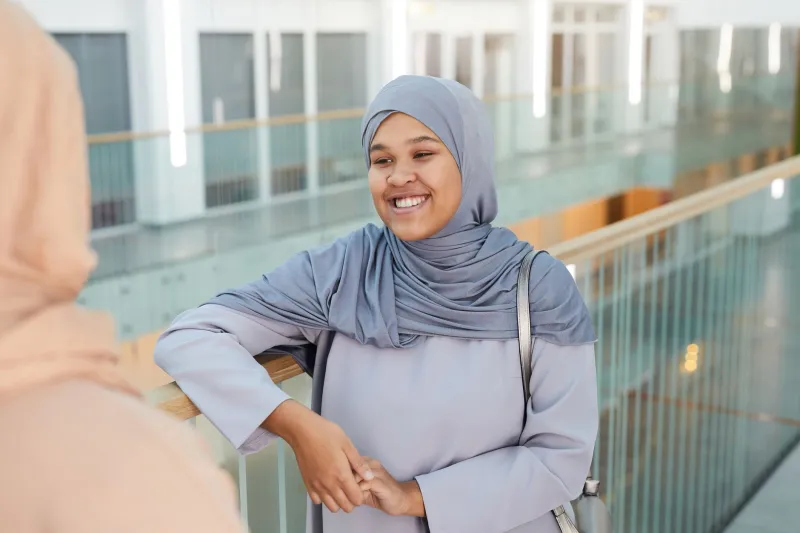
The Muslim women shopping for jilbaabs in the United States are not a monolith. They are physicians and teachers, engineers and entrepreneurs, students and retirees. They live in cities and suburbs, in warm climates and cold ones. They have varying budgets, varying aesthetics, and varying interpretations of modesty. A market that treats them as interchangeable will continue to fail them.
The brands that will ultimately succeed in this space are those willing to do the harder work: listening carefully, designing with specificity, and treating functional requirements—coverage, fit, pockets, professional versatility, and fabric quality—as non-negotiable rather than optional. The demand is real. The question is whether American retail has the discipline to meet it.